
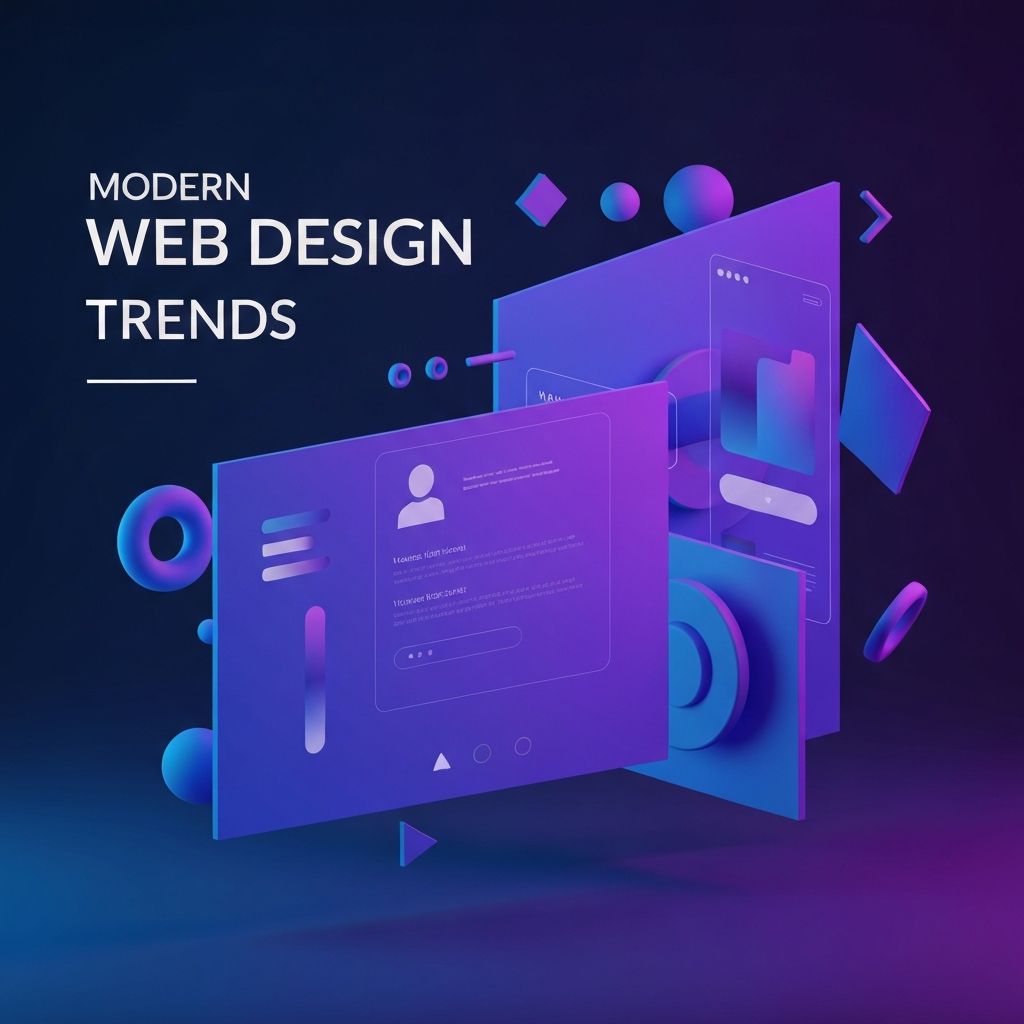
The world of web design is constantly evolving, and 2026 brings exciting new trends that are reshaping how we create digital experiences. From AI-powered personalization to immersive 3D elements, here are the top trends you need to know.
1. AI-Powered Personalization
Artificial intelligence is revolutionizing how websites adapt to individual users. Modern sites can now analyze user behavior in real-time and adjust layouts, content, and calls-to-action to maximize engagement and conversions.
2. Immersive 3D Elements
With WebGL and three.js becoming more accessible, 3D elements are moving beyond simple animations to create truly immersive experiences. From interactive product viewers to full 3D environments, the web is becoming more dimensional.
3. Sustainable Web Design
As environmental consciousness grows, designers are focusing on creating websites that minimize energy consumption. This includes optimized images, efficient code, and dark mode options that reduce screen energy usage.
4. Micro-Interactions and Motion
Subtle animations and micro-interactions continue to enhance user experience. These small details provide feedback, guide users, and add personality to interfaces without overwhelming them.
5. Bold Typography
Typography is taking center stage with oversized fonts, creative layouts, and variable fonts that respond to user interactions. Text is no longer just content—it is a design element in its own right.
6. Glassmorphism Evolution
The frosted glass effect has evolved beyond simple panels to more sophisticated applications. Combined with gradients and subtle shadows, glassmorphism creates depth and hierarchy in modern interfaces.
7. Asymmetric Layouts
Breaking away from traditional grid systems, asymmetric layouts create visual interest and guide the user's eye through content in unexpected ways.
8. Voice User Interfaces
As voice assistants become ubiquitous, websites are incorporating voice navigation and interaction, making digital experiences more accessible and hands-free.
9. Dark Mode as Default
Many users prefer dark interfaces, and designers are now creating dark-mode-first designs that maintain excellent readability and visual appeal.
10. Inclusive Design
Accessibility is no longer an afterthought. Inclusive design practices are being built into the foundation of web projects, ensuring everyone can access and enjoy digital experiences.
Conclusion
Staying current with design trends helps create websites that feel modern and relevant. However, remember that trends should serve your users and business goals—not the other way around. Choose the trends that make sense for your specific project and audience.